












E-Waste
Electronic waste, e-waste or Waste Electrical and Electronic Equipment (WEEE) is a waste type consisting of any broken or unwanted electrical or electronic appliance. It is a point of concern considering that many components of such equipment are considered toxic and are not biodegradable.
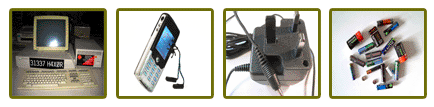
Electronic waste includes computers, entertainment electronics, mobile phones and other items that have been discarded by their original users. Electronic waste is a valuable source for secondary raw materials, if treated properly. However if not treated properly it is major source of toxins. Electronic devices, including audio-visual components (televisions, VCRs, stereo equipment), mobile phones and other hand-held devices, and computer components, contain valuable elements and substances suitable for reclamation, including lead, copper, and gold. They also contain a plethora of toxic substances, such as dioxins, PCBs, cadmium, chromium, radioactive isotopes, and mercury.
The recycling process works by mechanically separating the metals, plastics and circuit boards contained in the appliance. When this is done on a large scale at an electronic waste recycling plant, component recovery can be achieved in a cost-effective manner.



HOME | ABOUT US | WASTE MANAGEMENT | RECYCLING | OTHER SERVICES | CONTACT US
